

10 Warning Signs You Need to Visit a Cardiologist Immediately
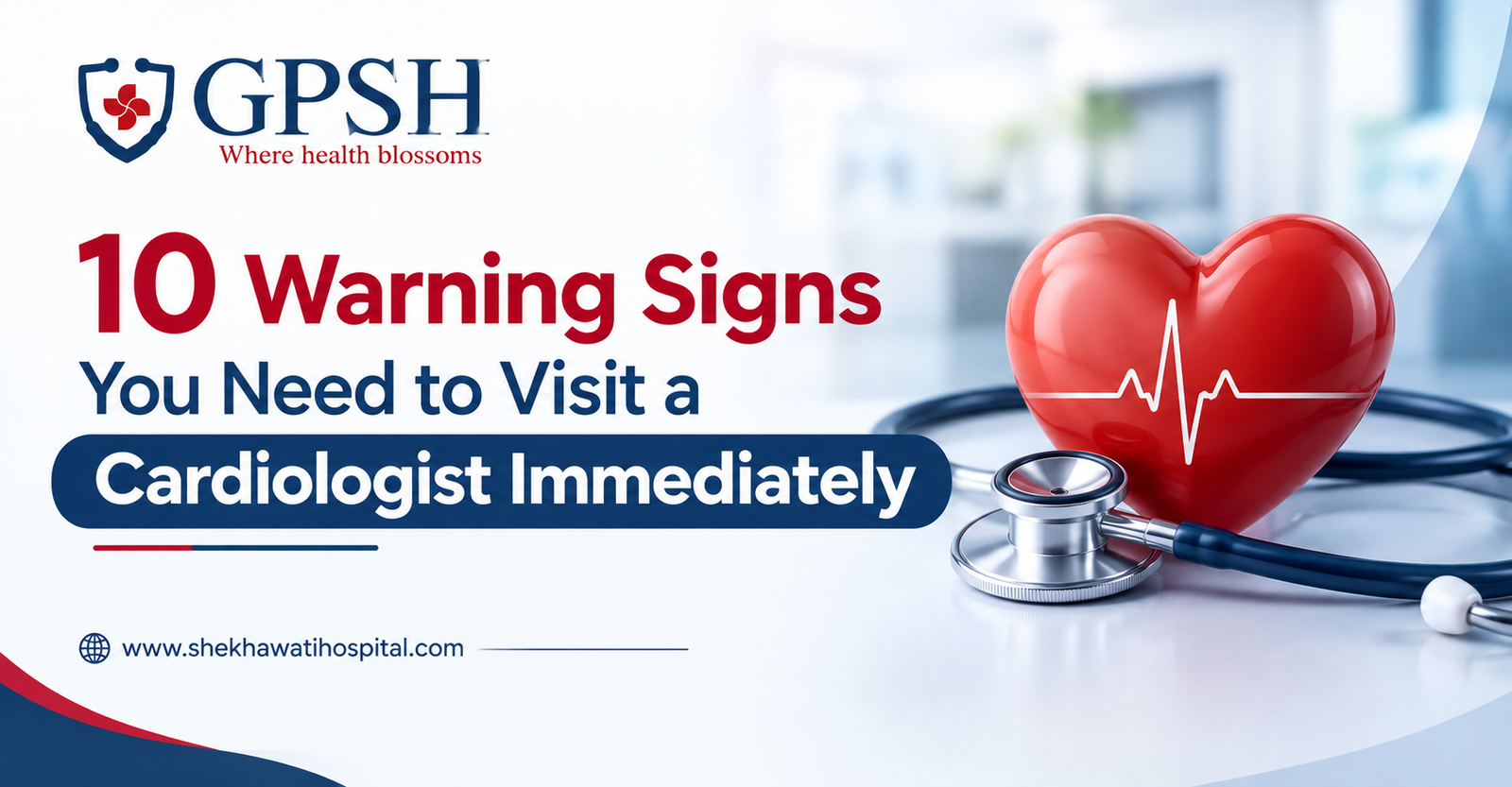

Your heart beats around 100,000 times a day without a break. Because it works so quietly, we often ignore it until something goes wrong. Yet heart disease rarely strikes without notice. The body usually sends early signals first.
According to the World Health Organization, cardiovascular diseases are the leading cause of death worldwide. In India, heart problems are also appearing at younger ages. Knowing the warning signs you need to visit a cardiologist can help you act in time and protect your life.
The main warning signs you need to visit a cardiologist are:
If you have any of these symptoms, especially more than one together, see a heart specialist without delay.
Many people blame heart symptoms on gas, stress, or a long workday. That delay can be costly. A heart attack happens when blood flow to the heart muscle is blocked, and every minute without treatment can damage more heart tissue.
Spotting the warning signs you need to visit a cardiologist early gives you a chance to start treatment before permanent damage occurs.
Chest pain is the most well-known heart warning sign. It may feel like pressure, squeezing, tightness, or heaviness in the centre or left side of the chest. The pain may come and go, or it may spread to other areas.
Not every chest pain is cardiac, but you should never guess. If it lasts more than a few minutes or returns often, get it checked right away.
Do you get out of breath while climbing stairs or walking a short distance? Breathlessness can mean your heart is not pumping blood efficiently. Trouble breathing while lying flat or waking up breathless at night can point to heart failure and needs urgent attention.
A racing, fluttering, or skipping heartbeat can be a sign of arrhythmia. Occasional palpitations may come from caffeine or stress. Frequent or long episodes, especially with dizziness or chest discomfort, should be evaluated with an ECG.
If you often feel lightheaded or have fainted for no clear reason, your brain may not be getting enough blood. This can be linked to rhythm problems, valve disease, or very low blood pressure. Fainting is always worth a medical check.
When the heart weakens, fluid can collect in the lower body. If your shoes feel tight by evening or your ankles look puffy, it may be an early sign of heart failure. Kidney and liver problems can also cause swelling, so a proper diagnosis matters.
Feeling wiped out after simple tasks, even after a full night’s sleep, can signal that your heart is struggling. Women in particular often report unusual tiredness as an early symptom of heart disease, and it is easy to mistake for stress or weakness.
Heart pain does not always stay in the chest. It can spread to the left arm, shoulder, jaw, neck, or upper back. Women are more likely to feel these less typical symptoms, so they should never be brushed aside.
Sudden sweating with nausea or vomiting, particularly alongside chest discomfort or breathlessness, can be a sign of a heart attack. This combination needs emergency care, not a wait-and-see approach.
High blood pressure often has no symptoms, yet it slowly damages your arteries and strains the heart. Readings that stay at or above 140/90 mmHg need medical review. Left untreated, hypertension raises the risk of heart attack, stroke, and kidney damage.
If a parent or sibling had a heart attack or heart disease at a young age, your own risk is higher. You do not have to wait for symptoms. A cardiac check-up, especially after age 30, can catch hidden risk factors early.
Call an ambulance (108 or 112 in India) or go to the nearest hospital emergency department immediately if you have:
Do not drive yourself if you suspect a heart attack. The American Heart Association and the NHS both advise calling emergency services straight away.
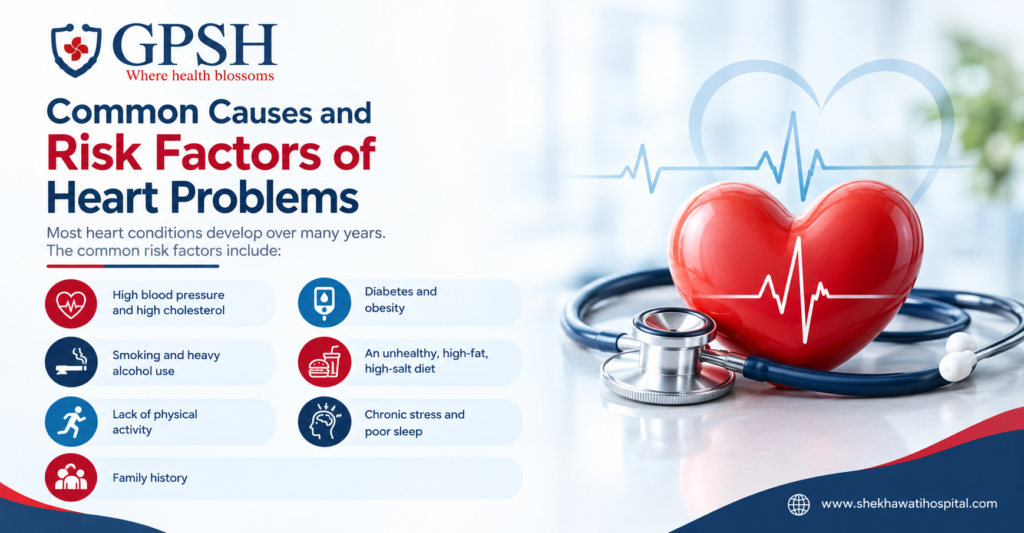
Most heart conditions develop over many years. The common risk factors include:
The good news is that many of these risks can be reduced with healthy habits and regular check-ups.
A cardiologist is a doctor who specialises in diagnosing and treating heart and blood vessel conditions. After reviewing your history and symptoms, they may recommend:
Based on the results, treatment may include medication, lifestyle changes, or advanced procedures.
When you notice the warning signs you need to visit a cardiologist, choose a hospital that offers complete care under one roof: experienced specialists, modern diagnostics, and round-the-clock emergency support. Heart conditions often involve other health issues like diabetes, kidney problems, or high blood pressure, so a hospital with several departments working together can make treatment smoother and safer.
If you are looking for the Best Multi-speciality Hospital in Jaipur, Shekhawati Hospital offers integrated care across many specialities. For dedicated heart care, you can explore the Best Cardiology Hospital in Jaipur to learn about its cardiac department, diagnostic facilities, and expert team.
View this post on Instagram
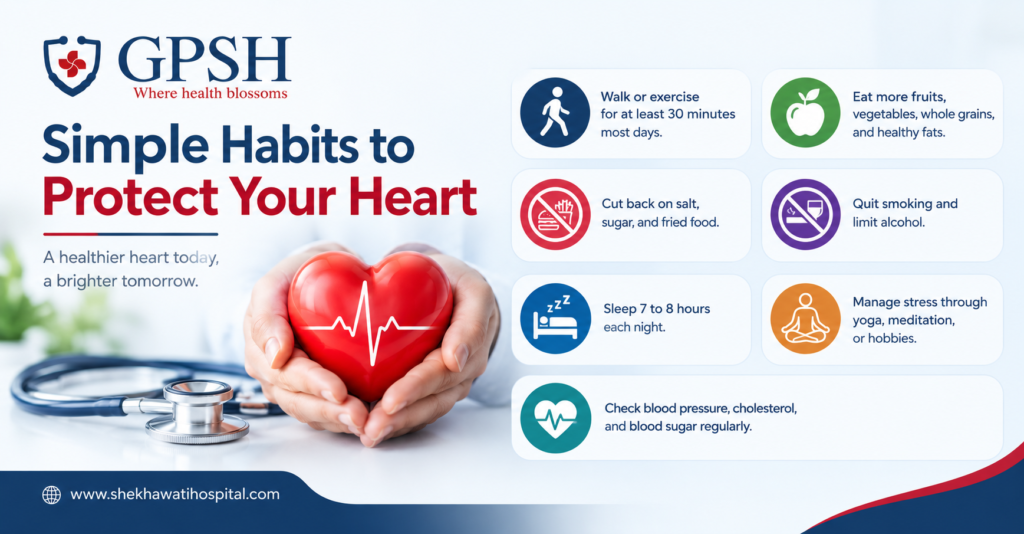
Your heart rarely fails without giving hints first. Chest discomfort, breathlessness, palpitations, swelling, and unusual tiredness are not things to “wait out.” Knowing the warning signs you need to visit a cardiologist can help you get timely care and avoid serious complications like heart attack or heart failure.
If you notice any of these symptoms, book a consultation today. A quick check-up could protect your heart for years to come.
Chest pain, shortness of breath, palpitations, dizziness, leg swelling, and extreme fatigue are the most common early signs. If they are frequent or unexplained, see a cardiologist soon.
Heart-related pain usually feels like pressure or heaviness and may spread to the arm, jaw, or back. Acidity often feels like burning and eases with antacids. If you are unsure, get it checked.
Yes. Stress, smoking, poor diet, inactivity, and genetics can cause heart disease even in people in their 20s and 30s.
No. Caffeine, anxiety, and lack of sleep can cause them. But frequent or long-lasting palpitations should be evaluated by a cardiologist.
Yes. Anxiety can cause chest tightness, a fast heartbeat, and breathlessness. Because the symptoms overlap, it is safest to have them checked, especially the first time.
Adults over 30 should consider a heart check-up every one to two years, and more often if they have diabetes, high blood pressure, high cholesterol, or a family history of heart disease.
Usually an ECG and an echocardiogram, along with blood tests. A treadmill test or angiography may follow depending on your symptoms.
Go immediately if you have severe chest pain, trouble breathing, fainting, cold sweats, or pain spreading to the arm or jaw.
Medical Disclaimer: This article is for general awareness only and does not replace professional medical advice. Always consult a qualified doctor for diagnosis and treatment.

 Optimized by Seraphinite Accelerator