




What Is Vertigo? Causes of Sudden Dizziness, Symptoms and Treatment
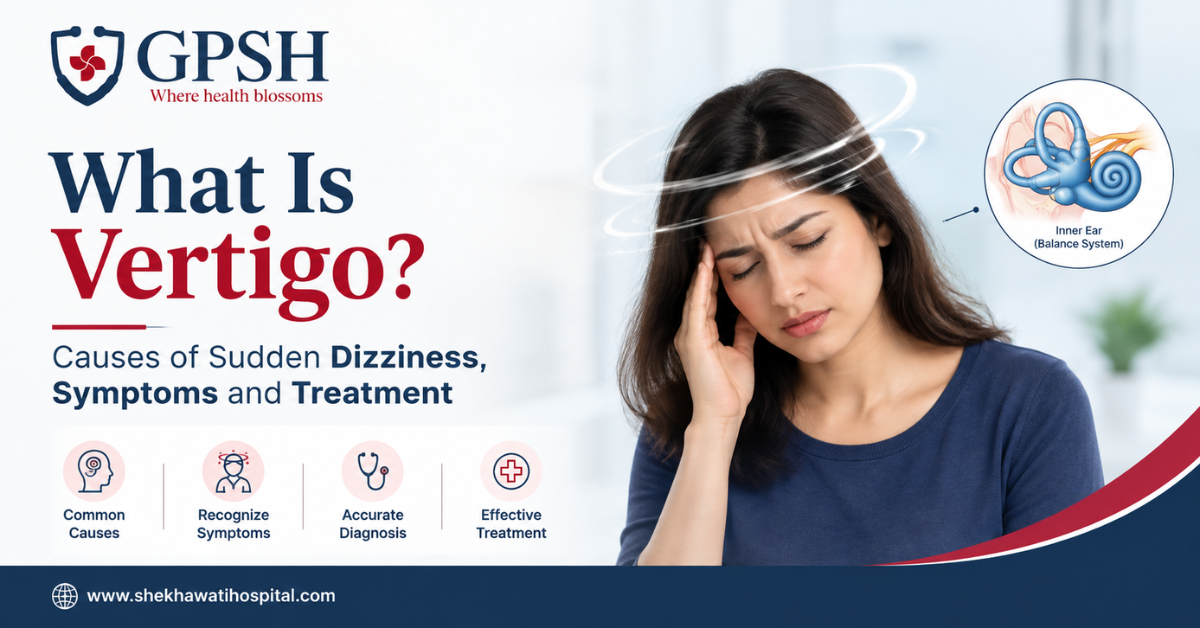
Have you ever felt like the room is spinning around you, even though you’re standing still? That unsettling sensation is called vertigo, and it’s more common than most people realize. Understanding what is vertigo, why it happens, and how it can be treated is the first step toward managing it effectively and getting back to your normal routine.
In this blog, we’ll break down the causes, symptoms, and treatment options for vertigo in simple, easy-to-understand language.
Vertigo is not a disease in itself — it’s a symptom. It refers to the false sensation that you or your surroundings are moving or spinning, even when there’s no actual movement happening. Unlike general dizziness or lightheadedness, vertigo has a distinct “spinning” or “tilting” quality to it.
Vertigo usually originates from a problem in the inner ear (the vestibular system) or in the brain, both of which are responsible for maintaining balance. When these systems malfunction, the brain receives mixed signals about your body’s position in space, resulting in that spinning sensation.
Episodes of vertigo can last anywhere from a few seconds to several hours, and in some cases, even days. It can strike suddenly, often triggered by a change in head position, standing up too quickly, or without any obvious reason at all.
Broadly, vertigo is classified into two main types:
1. Peripheral Vertigo
This is the most common type and occurs due to problems in the inner ear or the vestibular nerve, which connects the ear to the brain. Conditions like Benign Paroxysmal Positional Vertigo (BPPV), labyrinthitis, and Meniere’s disease fall under this category.
2. Central Vertigo
This type originates from issues within the brain itself, particularly the brainstem or cerebellum. It’s often linked to more serious conditions such as migraines, stroke, or multiple sclerosis, and typically requires prompt medical evaluation.

Sudden dizziness can be alarming, especially when it comes with a spinning sensation. Here are some of the most common causes:
BPPV happens when tiny calcium crystals in the inner ear become dislodged and move into the wrong part of the canal system. This confuses the brain’s balance signals, triggering brief but intense episodes of vertigo, usually when changing head position, like turning over in bed or looking up.
This inner ear disorder is caused by a buildup of fluid in the ear. It leads to episodes of vertigo along with ringing in the ears (tinnitus), hearing loss, and a feeling of fullness in the ear.
These conditions occur when the vestibular nerve or inner ear becomes inflamed, usually due to a viral infection. This can cause sudden, severe vertigo along with nausea and difficulty balancing.
Vestibular migraines are a lesser-known but significant cause of vertigo. People with this condition may experience dizziness along with or even without a headache.
Trauma to the head or neck can disrupt the balance mechanisms in the inner ear or brain, leading to vertigo episodes that may last for days or weeks.
Some medications, particularly those affecting blood pressure or the nervous system, can cause dizziness or vertigo-like symptoms as a side effect.
In rare but serious cases, sudden vertigo accompanied by symptoms like slurred speech, vision changes, weakness, or difficulty walking could indicate a stroke or another neurological issue. This requires immediate emergency care.
Vertigo symptoms can vary depending on the underlying cause, but the most common signs include:
If vertigo is accompanied by symptoms such as chest pain, sudden severe headache, double vision, slurred speech, numbness, or trouble walking, it’s important to seek emergency medical attention right away, as these could indicate a more serious underlying condition affecting the brain or nervous system.
View this post on Instagram
Since vertigo can stem from multiple causes, doctors typically start with a detailed medical history and physical examination. This may include:
Getting an accurate diagnosis is essential because treatment varies significantly depending on whether the cause is peripheral or central.
The good news is that vertigo is often treatable, and in many cases, it resolves with the right approach. Treatment depends on the root cause and severity of the condition.
For BPPV, doctors often use a technique called the Epley maneuver. This involves a series of specific head and body movements designed to move the displaced calcium crystals back to their correct position in the inner ear, providing quick relief.
Depending on the cause, doctors may prescribe:
This is a specialized form of physical therapy designed to help the brain adapt to changes in the inner ear and improve balance. It’s particularly helpful for people with chronic or recurring vertigo.
In rare and severe cases where other treatments haven’t worked, surgical options may be considered, especially for conditions like Meniere’s disease that don’t respond to medication.
If vertigo is linked to a neurological condition such as a stroke or multiple sclerosis, treatment will focus on managing that specific condition under the care of a specialist.
While occasional mild dizziness may not be a cause for concern, you should consult a doctor if:
Early diagnosis and treatment can prevent complications and help you manage the condition more effectively. If you’re experiencing persistent or severe dizziness, it’s best to consult a specialist rather than waiting for symptoms to resolve on their own.
For residents in Jaipur dealing with recurring or severe vertigo symptoms, visiting the Neurology Hospital in Jaipur can help identify the exact cause through advanced diagnostic tools and expert consultation. If you’re looking for comprehensive, multi-speciality care closer to home, the Best Hospital in Vidhyadhar Nagar Jaipur offers experienced specialists equipped to diagnose and treat both peripheral and central causes of vertigo.
Vertigo can feel disorienting and even frightening, but understanding what it is and what causes it can make a huge difference in how you manage it. Whether it’s due to a simple inner ear issue like BPPV or something that requires deeper neurological evaluation, timely diagnosis and the right treatment plan can help you regain your balance and confidence.
If you or a loved one is experiencing recurring episodes of dizziness or vertigo, don’t ignore the signs. Reach out to a trusted healthcare provider for proper evaluation and care.
Q1. What is vertigo, and how is it different from dizziness?
Vertigo is a specific type of dizziness characterized by a false sensation of spinning or movement, either of yourself or your surroundings. General dizziness, on the other hand, may involve lightheadedness or a feeling of faintness without the spinning component.
Q2. What is the most common cause of sudden vertigo?
Benign Paroxysmal Positional Vertigo (BPPV) is the most common cause of sudden vertigo, triggered by displaced calcium crystals in the inner ear.
Q3. Can vertigo go away on its own?
Yes, in many cases, especially mild BPPV episodes, vertigo can resolve on its own within a few weeks. However, recurring or severe episodes should be evaluated by a doctor.
Q4. Is vertigo a sign of a serious health problem?
Not always. Most cases are related to inner ear issues and aren’t life-threatening. However, in rare instances, vertigo accompanied by symptoms like slurred speech or weakness could indicate a stroke and needs immediate medical attention.
Q5. How long does a vertigo episode usually last?
This varies depending on the cause. BPPV episodes typically last a few seconds to minutes, while conditions like Meniere’s disease can cause episodes lasting several hours.
Q6. Can stress cause vertigo?
Yes, stress can trigger or worsen vertigo, particularly in people prone to vestibular migraines.
Q7. What specialist should I see for vertigo?
Depending on the cause, you may need to see an ENT specialist for inner ear-related vertigo or a neurologist if the cause is related to the brain or nervous system.